
Lincoln, Virginia Quakers bought an enslaved family and set them free.
On February 20, 1856, Samuel M. Janney wrote to Northern friend and fellow Quaker Jane Johnson, of Philadelphia, Pennsylvania. TheContinue Reading
Letters, memoirs and documents of 19th century Quakers in Lincoln, Virginia
On February 20, 1856, Samuel M. Janney wrote to Northern friend and fellow Quaker Jane Johnson, of Philadelphia, Pennsylvania. TheContinue Reading
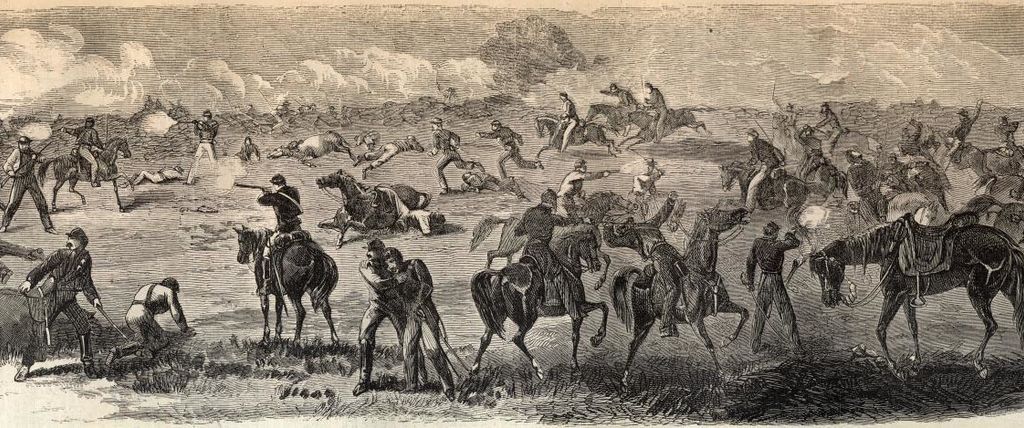
William Tate kept a Memo book in which he recorded who owed him money for fence rails, when his ewesContinue Reading
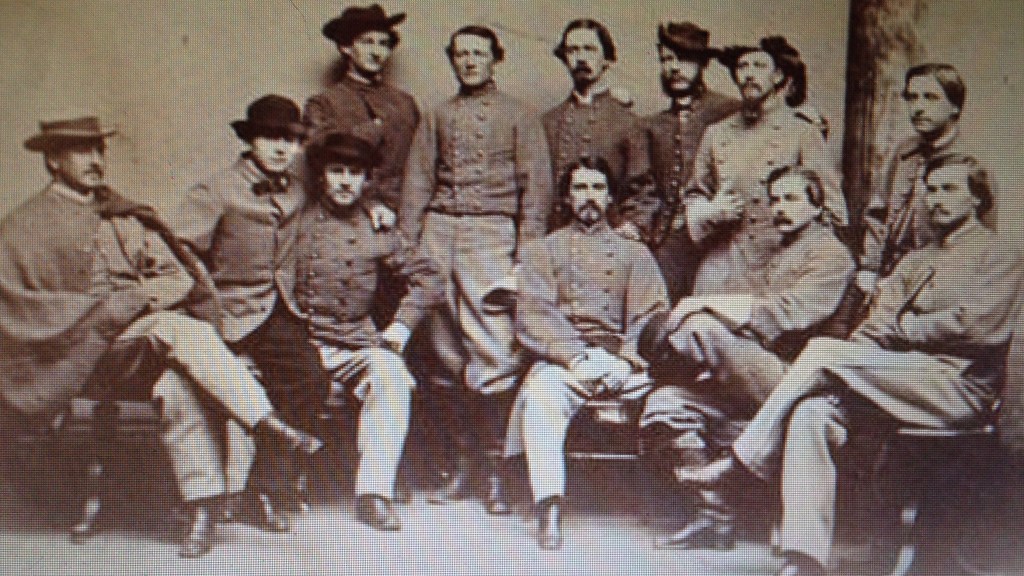
John Singleton Mosby’s 43rd Battalion, a Confederate partisan ranger unit fighting under Confederate Cavalry General J.E.B. Stuart, led a highlyContinue Reading

By the autumn of 1864 the Civil War was drawing to its bloody close. However, Confederate Colonel John Singleton Mosby’sContinue Reading
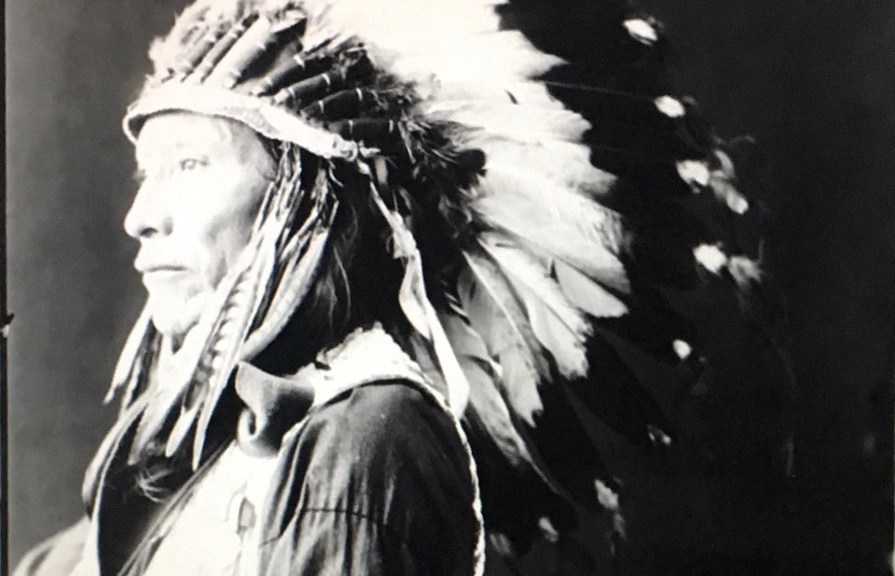
At the beginning of the year 1869, Asa Moore Janney (1802-1877) was a miller living near Lincoln, Loudoun County, Virginia,Continue Reading
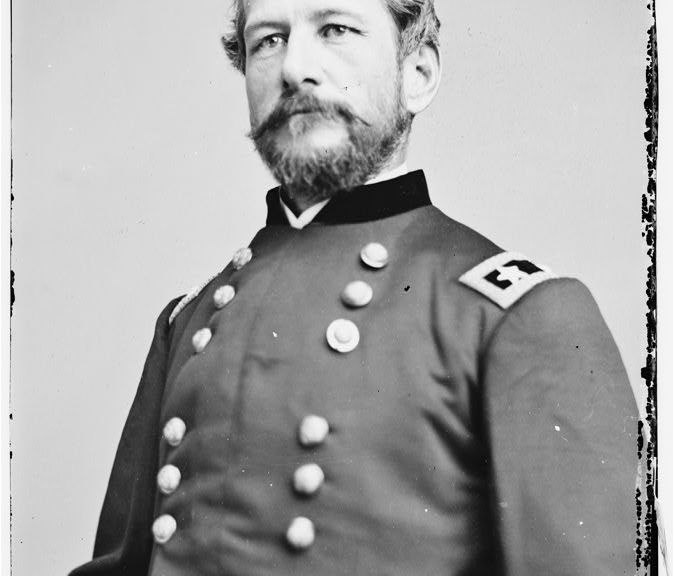
Yardley Taylor grew apple trees, delivered county mail, wrote anti-slavery essays, and in 1853 surveyed a map of Loudoun County.Continue Reading

The story of the Goose Creek Literary Society is perhaps best told through the newspaper accounts of the March 15,Continue Reading

Edward Hicks (1780-1849) was a Quaker minister who supported his family by painting commercial signs in the Philadelphia area. HeContinue Reading
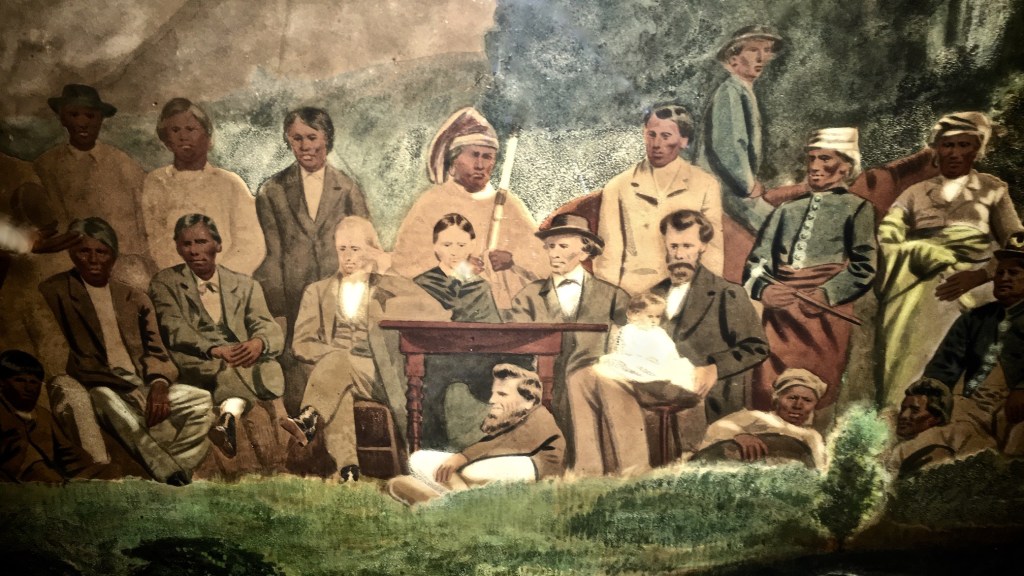
Samuel M. Janney was appointed Superintendent of Indian Affairs in Omaha, Nebraska, 1869-1871. His brother and fellow Lincoln, Virginia Quaker,Continue Reading
On July 3, 1865 a post office was opened in newly named Lincoln, Virginia. Prior to that date there wasContinue Reading

 Nest of Abolitionists